A Giant question facing the next generation of the church
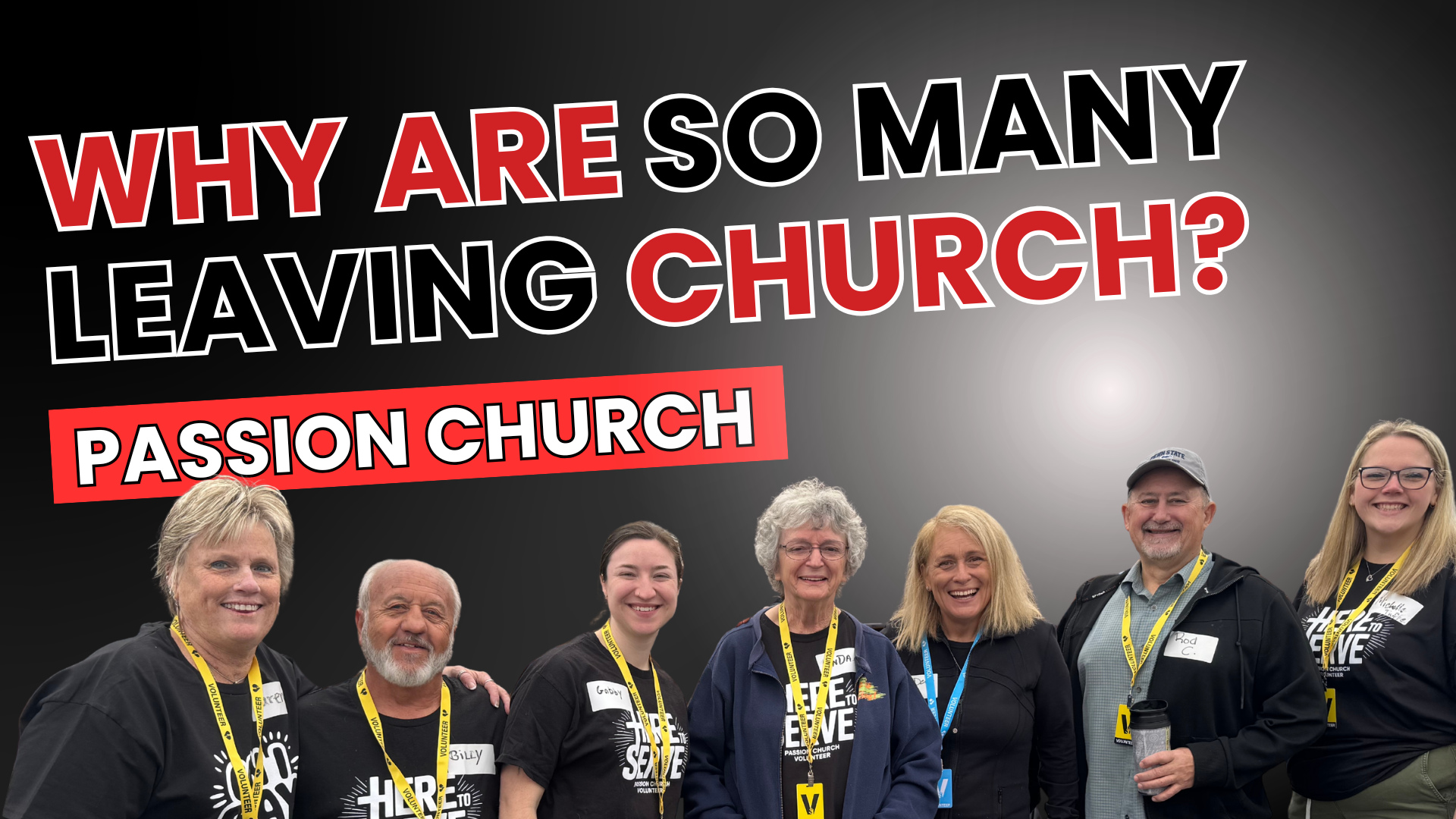
Lately, it feels impossible to ignore that people are leaving churches. Some quietly disappear, some leave angry, some slowly drift away, and some walk away from Christianity altogether. Honestly, there are also many people who still love Jesus deeply, but aren’t sure they want anything to do with church anymore.
I think for a lot of Christians, that reality feels heartbreaking. But if we’re being honest, it also makes sense. A lot of people leaving the church are not leaving because they hate God. Many of them are exhausted, hurt, disappointed, burned out, or simply tired of trying to sort through all the noise surrounding modern Christianity.
The hard truth is that the church has earned at least some of the criticism it receives. Not all of it, but definitely some of it. People have watched pastors fall publicly. They’ve seen manipulation, hypocrisy, power struggles, celebrity culture, politics replacing Jesus, and churches that cared more about protecting reputations than protecting people. After enough of that, people naturally begin asking, “If this is Christianity, do I even want it?” And honestly, that’s a fair question.
Because many people are not rejecting Jesus. They’re rejecting distorted versions of Him.
We also can’t ignore the fact that people constantly see terrible examples of church leadership online and in headlines. Every few months, there seems to be another story about pastors stealing money, affairs and scandals, manipulative leadership, fake spiritual healings, emotional pressure tactics, scams disguised as faith, or churches using people instead of loving them. And honestly, it’s disgusting—not just because it hurts people, but because it damages the witness of the Church as a whole.
What frustrates me sometimes is that this is the complete opposite of what most churches actually look like. Most churches are filled with ordinary people trying to follow Jesus the best they can. Most pastors are not trying to become celebrities. They’re counseling marriages late at night, praying with grieving families, working long hours, trying to keep ministries afloat, helping people through addiction, loss, depression, and crisis, while also trying to shepherd people through their own humanity.
But those stories rarely make headlines. Faithfulness usually doesn’t trend. Scandal does.
And when healthy churches do share good things happening, there’s often another criticism waiting. People assume they just want attention, are trying to look good, or are only serving publicly for applause. That creates a strange tension because if churches stay quiet, nobody sees the good being done, but if they share stories, some people immediately assume it’s performative.
Still, I genuinely believe most healthy churches are not trying to build celebrity. They’re just trying to help people.
And despite all the failures, I still deeply believe in the Church. Not because churches are perfect, but because Jesus still loves His Church.
I’ve personally seen churches help save marriages, feed families, support foster care and adoptions, show up after disasters, walk with people through grief, help people recover from addiction, visit hospitals, counsel people through depression, and help lonely people find community. Most of that happens quietly.
In fact, churches and faith-based organizations are among the largest sources of volunteer work and charitable outreach in the country. Millions of volunteer hours every year come directly from local churches. Faith-based adoption and foster care organizations have helped place hundreds of thousands of children into homes, and churches mobilize massive disaster relief efforts after hurricanes, floods, fires, and tornadoes. Long after media attention disappears, churches are often still there serving meals, cleaning debris, housing families, and helping people rebuild their lives.
That matters.
Healthy churches quietly become part of the backbone of communities, and honestly, I think a lot of people don’t realize how much communities would miss if healthy churches disappeared.
Now, with all that said, I also understand why finding a church can feel difficult right now, especially when it seems like so many people are leaving them.
So how do you even find a healthy one?
My advice is simple: slow down and research before jumping in. Watch a few sermons online. Listen carefully to what they actually teach. Pay attention to how they talk about people. Look at what they do for their community. See if their actions match their message. Look for authenticity, not perfection.
Personally, I would encourage people to stop choosing churches primarily for convenience. Don’t just choose the closest church, the coolest building, the best production, or the most entertaining communicator. Look for honesty, humility, biblical teaching, healthy leadership, real community, genuine service, and people who openly follow Christ.
No church is ever going to be perfect, but healthy churches should consistently point people toward Jesus instead of toward themselves.
Honestly, I think one of the biggest reasons people are leaving churches is that people are starving for something real. Not polished branding, performance, or celebrity Christianity. They want real people, real worship, real repentance, real grace, real community, and the real Jesus.
And honestly, I think that’s where hope is.
Because while some churches are dying, others are becoming healthier than ever—not because they’re trendy, but because they’re authentic.
And if you’ve been hurt by the church, I genuinely am sorry. Truly. But don’t confuse broken people with a broken Savior. Jesus is still good even when Christians fail to represent Him well.
And maybe the future of the Church won’t be built by people pretending to have everything together. Maybe it will be built by honest people who know they desperately need Jesus, too.
Want more information about Passion Church or want to connect with us? Click the button below to email us. We would love to learn more about you!
share this
Related Articles
Related Articles